Conscious Connected Breathing
Writer: Steve Parr
Illustrations: Sainte Maria
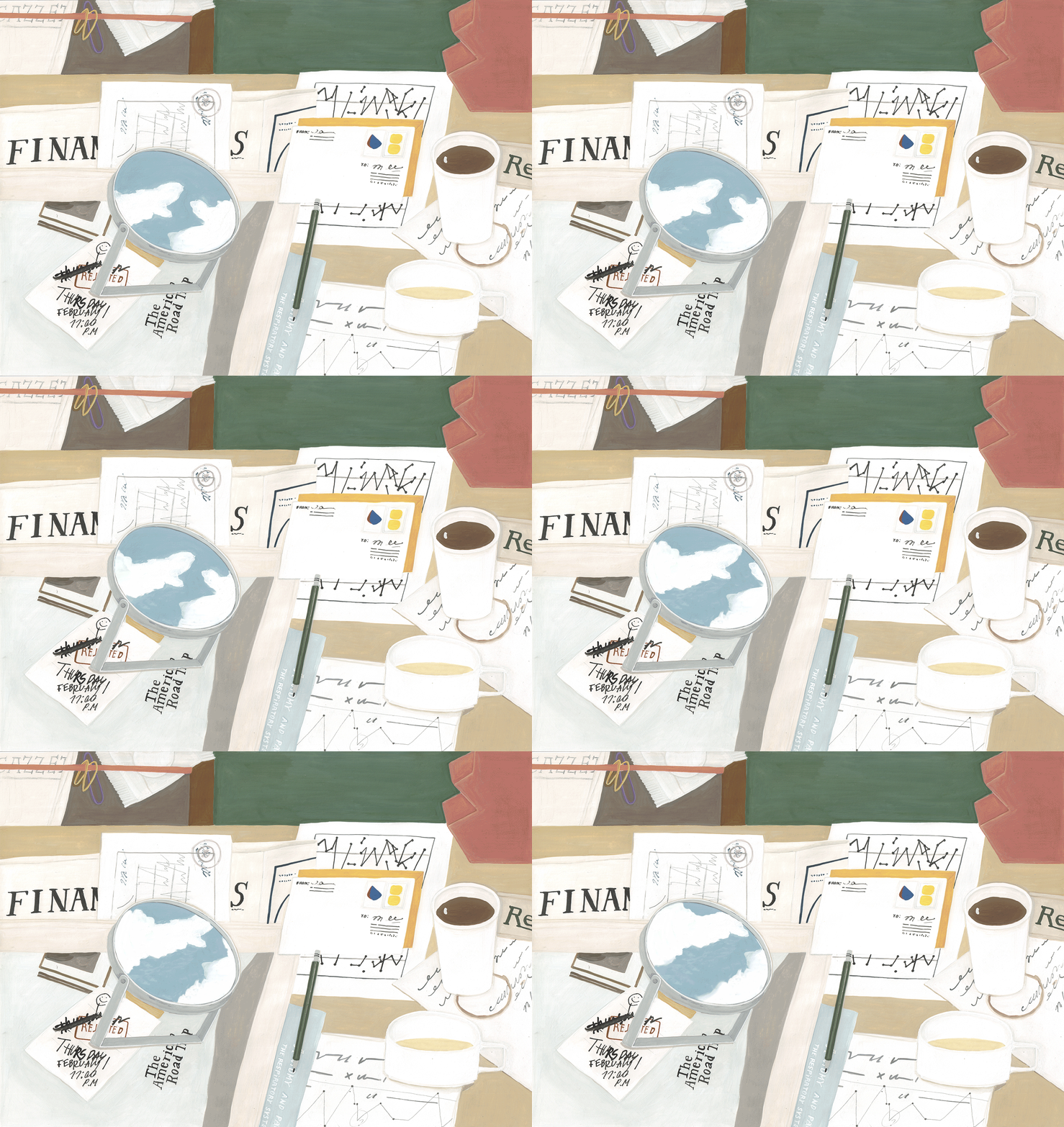
I first discovered Breathwork—more precisely, conscious connected breathing—three years ago right after a devastating breakup. My girlfriend and I had been together for about a year, weathered an abortion, moved in together, and painfully ended our relationship three months later.
We loved each other at one point, and then suddenly all that was left was a steady stream of projections, dismissals and judgment. I moved out of the apartment, checked out of my body, and started pleasure seeking as a way to numb the pain.
I found myself at a “conscious” music festival, and did what I could to remain unconscious, consuming whatever substances I could find. On day two our group wandered to a creek, back through a forest and then happened upon a dozen humans lying on their backs, each with a hand on their belly, and another on their heart, breathing deeply. A confident yet humble man named Robin Clements was facilitating the proceedings and we joined in. The leaders began playing music and gently coaching us through a dynamic, deep breathing sequence.
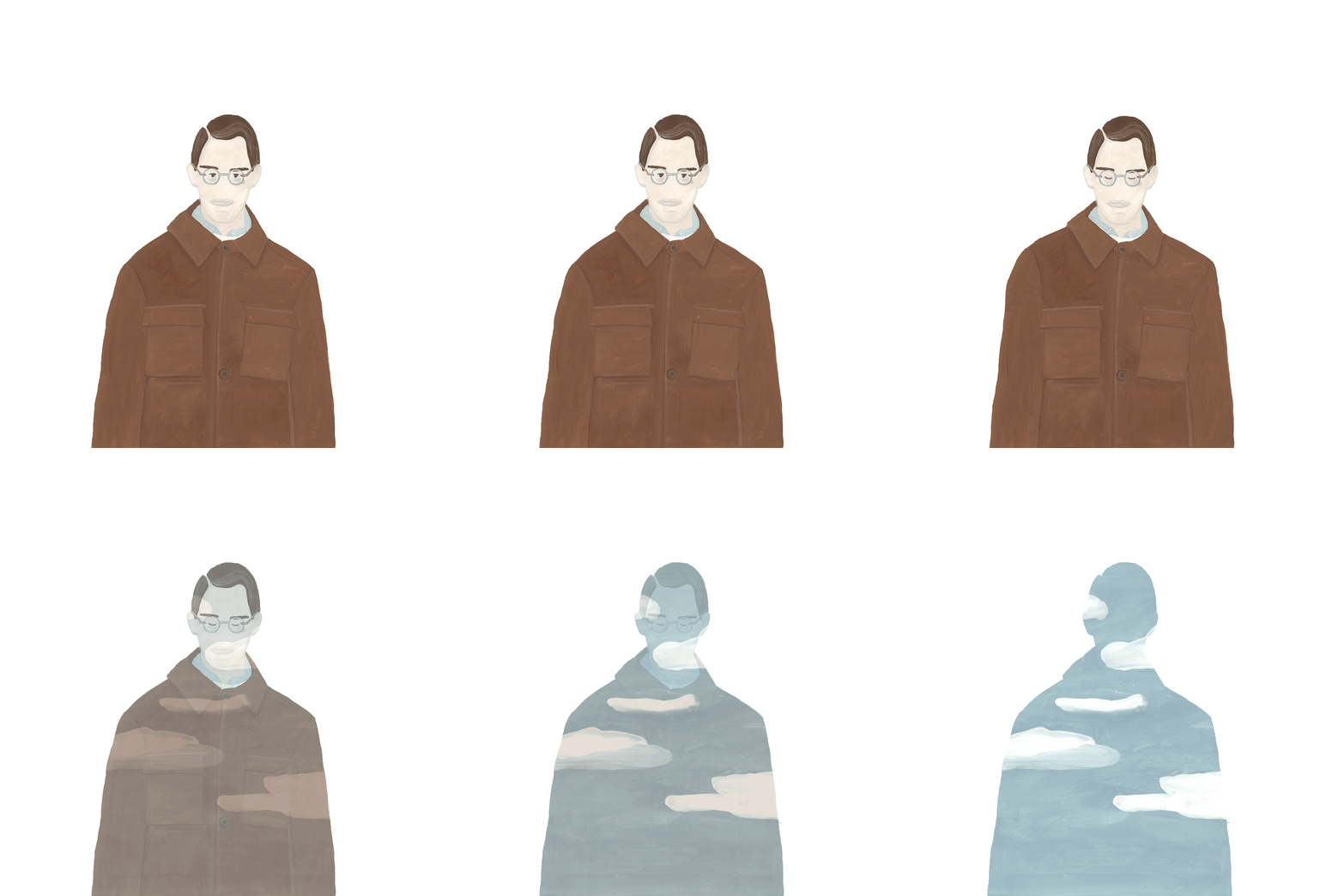
The breathing practice Robin taught was simple. We lay on our backs, breathing rhythmically and deeply into our bellies and then up into the chest, and then a soft, sighing exhale. We repeated this breath pattern without a pause, connecting each breath to the next in an unbroken chain. While it took some effort at the beginning, after a few minutes my body hooked onto this new rhythm and any “work” dropped off. The Breathwave technique was different than other breathing techniques I had tried before, such as rebirthing, which involved a more intense and aggressive pace, and “Wim Hof” breathing, which involved holding the exhalation. The Breathwave felt gentle, feminine and integrated.
The deep breathing took me into space. My heart cracked open and the tears came hard and heavy. I had never cried that much in my life and didn’t know that I was even capable of it. I felt reborn, interested in life and in feeling what was actually going on. I forgave my girlfriend for the hurts, but more important I forgave myself for hurting her and hurting myself. I understood that she was a mirror and a teacher for me - all the pain showed up to help me open up in a new way. I saw that it was my choice to refuse the pain, numb and shut down further, or to open up, cry and let it pass through me and strengthen my heart.
After about 45 minutes of this, the ceremony wrapped and I checked in with my friends. They had all had similarly profound experiences. One had a vision to reconnect with his father whom he hadn’t seen in over a decade and lived on the other side of the planet—and six months later, he did. Today they communicate every week.
I grew up with my fair share of developmental trauma and sought to control, manipulate, seduce and numb my way through life. I have suffered from prolonged depressive, suicidal episodes and a generalized anxiety that has been my most reliable companion. My pain propelled me into meditation, six Vipassanā retreats and hundreds of hours of individual psychotherapy. While helpful, I believe that much of this personal development work addressed the 10% of the iceberg that was visible - the way my mind operated. The other 90% - my body - kept the real score for all the pain I had experienced. It was tucked away in an ice locker of numbness that was only punctuated by extravagant expressions of work, athleticism and extroversion that kept me jacked on enough endorphins and cortisol to keep me “perky” if not exactly happy.
My experience with the breath was powerful, but it would be another year before I began incorporating the practice into my daily life. I studied with the facilitator and discovered that the practice is not so much a technique but a portal into another dimension called ‘home’. When I practice conscious connected breathing, even 15 or 20 minutes per day, I connect with my body, and the wisdom that exists beneath all the busy, left-brained madness of my mind. I’ve discovered that breathwork is like going to the gym - if you want to see consistent results, you must put in consistent effort, ideally twice daily. I practice first thing in the morning, and do a short session before bed.
Any program of spiritual development requires clear teachings (the dharma), a strong teacher (the Buddha) and a dedicated community of practitioners (the sangha). My teacher, Robin Clements, has taught me how to integrate what I experience through the breath. Breathwork is a simple technique, but the content that it can open up is no different than any other powerful therapy, such as plant medicines, group shadow work and traditional therapies. Robin models a balanced, grounded and humble energy, qualities that I seek to emulate and cultivate in myself. Breathwork has rocked my world in challenging ways, and having the support of a teacher and a student community has made it much easier to integrate what I learn in the “breath space”.
I’m a corporate lawyer by trade. I live in agreements, rules, logic and sequences. Breathwork allows me to drop into something else. I still have a long “way” to go, and there is no end to the journey of self-discovery. The breath has introduced a healing energy that transcends what I can generate in my mind. There is a garden of virtue that I am cultivating in my spirit now, that is flowering compassion, self-acceptance, creativity and joy. The breath nurtures all of it. I’m profoundly grateful for what I’ve discovered through the breath - it is a doorway to the heart and personal freedom.
Tags: Breathwork